Why Geospatial Context Matters
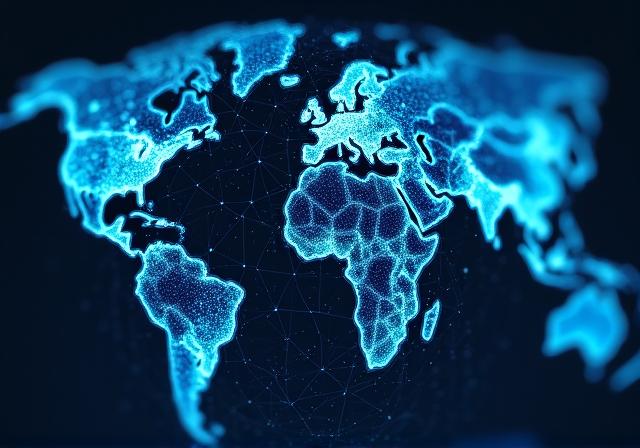
In the world of business intelligence, data doesn't just exist in a vacuum; it exists in a place. Cartographic data mapping is the process of translating complex datasets into geographical representations. Unlike standard bar charts, geospatial visualization lets us understand the "where" behind the "why."
Geospatial context is critical for identifying regional trends, optimizing supply chains, and understanding local market nuances that are often obscured in aggregate spreadsheets.
The Intersection of AI and Geography
At ChartWise AI, we leverage advanced algorithms to cluster spatial data automatically. Our AI doesn't just plot points; it analyzes proximity, identifies clusters, and reveals hidden hotspots. By utilizing spatial autocorrelation, we provide deeper insights into how variables influence neighboring areas.
Design Principles for Modern Maps
Effective cartography is an art as much as a science. We adhere to rigorous design principles to ensure clarity:
- Color Theory: We use diverging color scales for polarity and sequential scales for volume, ensuring high contrast and accessibility.
- Layering: Data is organized into interactive toggles, allowing users to strip away noise and focus on specific metrics.
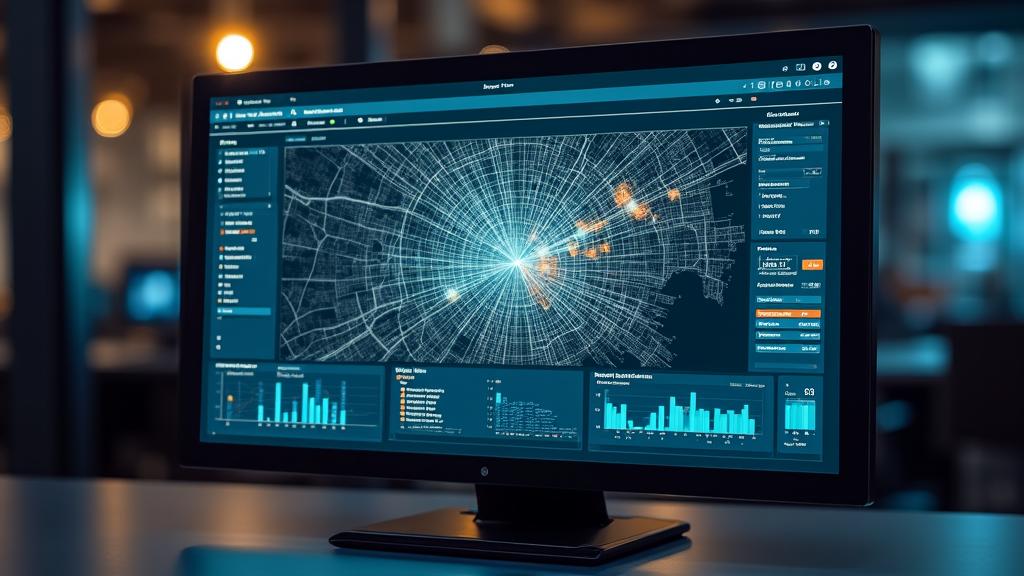
- Responsiveness: Our map dashboards scale fluidly, ensuring that a dense London logistics map is as readable on a phone as it is on a boardroom screen.
Industry Applications
Logistics & Supply Chain
Optimize delivery routes and warehouse placement by visualizing transit times and bottleneck locations in real-time.
Retail Real Estate
Analyze footfall patterns and competitor proximity to make data-backed decisions on new site acquisitions.
Public Sector
Map demographic shifts and service demand to plan urban infrastructure and resource allocation effectively.
From Flat Data to Reality
Don't let your data stay buried in a table. Experience the power of multidimensional geographical insights.
Contact Our Analysts